


Expanding your business into new markets offers exciting growth potential. Foreign Company Registration in Bangladesh is a straightforward process once you understand the local legal landscape. This guide provides a clear roadmap to help you navigate the legal requirements for setting up your operations effectively.
We simplify the complex process of Foreign Company Incorporation Bangladesh by breaking it down into manageable phases. You will learn the exact step-by-step Company Registration in Bangladesh protocols needed to remain compliant. Our goal is to ensure you feel confident while managing your expansion objectives.
By following these professional insights, you can master how to register a foreign company in Bangladesh without unnecessary stress. We focus on providing actionable advice so you can dedicate your energy to core business goals. Let us help you streamline your Company Registration in Bangladesh today.


Key Takeaways
Understand the core legal framework for international business expansion.
Follow a clear, phased approach to ensure full regulatory compliance.
Identify the specific documentation required for a smooth setup process.
Minimize administrative delays by preparing your filings in advance.
Focus on your primary business objectives while experts handle the technicalities.
Understanding the Landscape for Foreign Investment in Bangladesh
Considering expansion into Bangladesh? The current economic climate presents unique advantages. The nation is rapidly evolving into a key player in the international commercial hub. This makes Foreign Investment in Bangladesh a compelling option for global businesses. By aligning your strategy with the local economy, you can tap into emerging opportunities effectively — and this is the first step toward successful Foreign Company Registration in Bangladesh.
Success in this market goes beyond just capital. It requires a deep understanding of the regulatory environment. Mastering compliance and local policies is crucial for long-term success. By focusing on these aspects, you lay a solid foundation for your company’s growth in the region.
The Bangladeshi government is committed to welcoming international capital. They have implemented various measures to ease entry and create a competitive business environment. Key factors defining the current market include:
Ongoing infrastructure development projects aimed at enhancing operational efficiency.
Pro-business policies that simplify the registration process for international entities.
A growing consumer base that drives demand across multiple industrial sectors.
Strategic geographical positioning that facilitates regional trade and logistics.
By staying informed about these trends, you can position your organization to benefit from the country’s economic growth. Strategic foresight is your most valuable asset as you prepare to enter this dynamic market. Embracing the local business culture while maintaining international standards will ensure your venture prospers in the long term.
Choosing the Right Business Structure for Foreign Company Registration in Bangladesh
Your choice of business entity will shape your operational freedom and tax duties in the local market. Picking the right legal framework is crucial when entering a new country. It’s essential to match your choice with your business goals for long-term success.
Private Limited Company as a Subsidiary
For full-scale commercial activities, consider forming a subsidiary. Learning how to register a limited company in Bangladesh lets you operate as a distinct legal entity. This setup offers flexibility to earn revenue, hire staff, and send profits back home, following national rules.
Establishing a Branch Office in Bangladesh
A branch office is an extension of your parent company, not a separate legal entity. The Branch Office Registration in Bangladesh process is best if you want to handle specific tasks while keeping a direct link to your global HQ. Remember, your parent company is legally responsible for all branch activities in the local market.

Establishing a Liaison or Representative Office in Bangladesh
For market research or communication facilitation, consider a non-commercial presence. Liaison Office Registration in Bangladesh is for promotional activities and as a communication link between your home office and local entities. Liaison Office Registration in Bangladesh also bars earning local income or direct trade.
Representative Office Registration in Bangladesh is ideal for market entry without full commercial commitment. This structure is perfect for companies not yet ready for full operations. Ensure your activities stay within your approved permit to avoid legal issues.
Evaluating Equity Options: 100% Foreign Ownership vs. Joint Ventures
Deciding on the right equity structure is crucial for investors aiming to grow their foreign investment in Bangladesh. The local regulatory environment is quite accommodating. It allows investors to choose between full control and a partnership with a local entity.
Choosing 100% foreign equity gives you full control over your business. This is perfect if you want to stick to your global policies without needing local approval.
On the other hand, a partnership could be beneficial for market entry. A joint venture combines your international assets with a local partner’s networks and cultural knowledge. When considering Joint Venture Company Registration in Bangladesh, several factors are important:
Market Access: Local partners can open doors to distribution channels and government connections.
Risk Sharing: Equity sharing means both financial and operational risks are split.
Regulatory Ease: Local partners can help with sector-specific compliance.
Cultural Integration: A local presence aids in managing human resources and understanding consumer behavior.
If you opt for a partnership, ensure your legal agreements are solid. The process for Joint Venture Company Registration at RJSC in Bangladesh demands clear documentation on shareholding and dispute resolution.
Your choice hinges on your long-term objectives and comfort with the local business scene. Whether you prefer total control or a collaborative approach, both paths can lead to success in the country.
Navigating the RJSC Name Clearance Process
Your journey to legal incorporation starts with obtaining name clearance from the RJSC. Before you can formally incorporate, you need a unique name for your entity. This essential step is the cornerstone of your Foreign Company Registration at RJSC.
The process is fully online, allowing you to submit your preferred business name for review. Your chosen name must adhere to local naming rules and not conflict with existing entities. A successful application for company name clearance is crucial for any business aiming to establish a legal presence in the country.
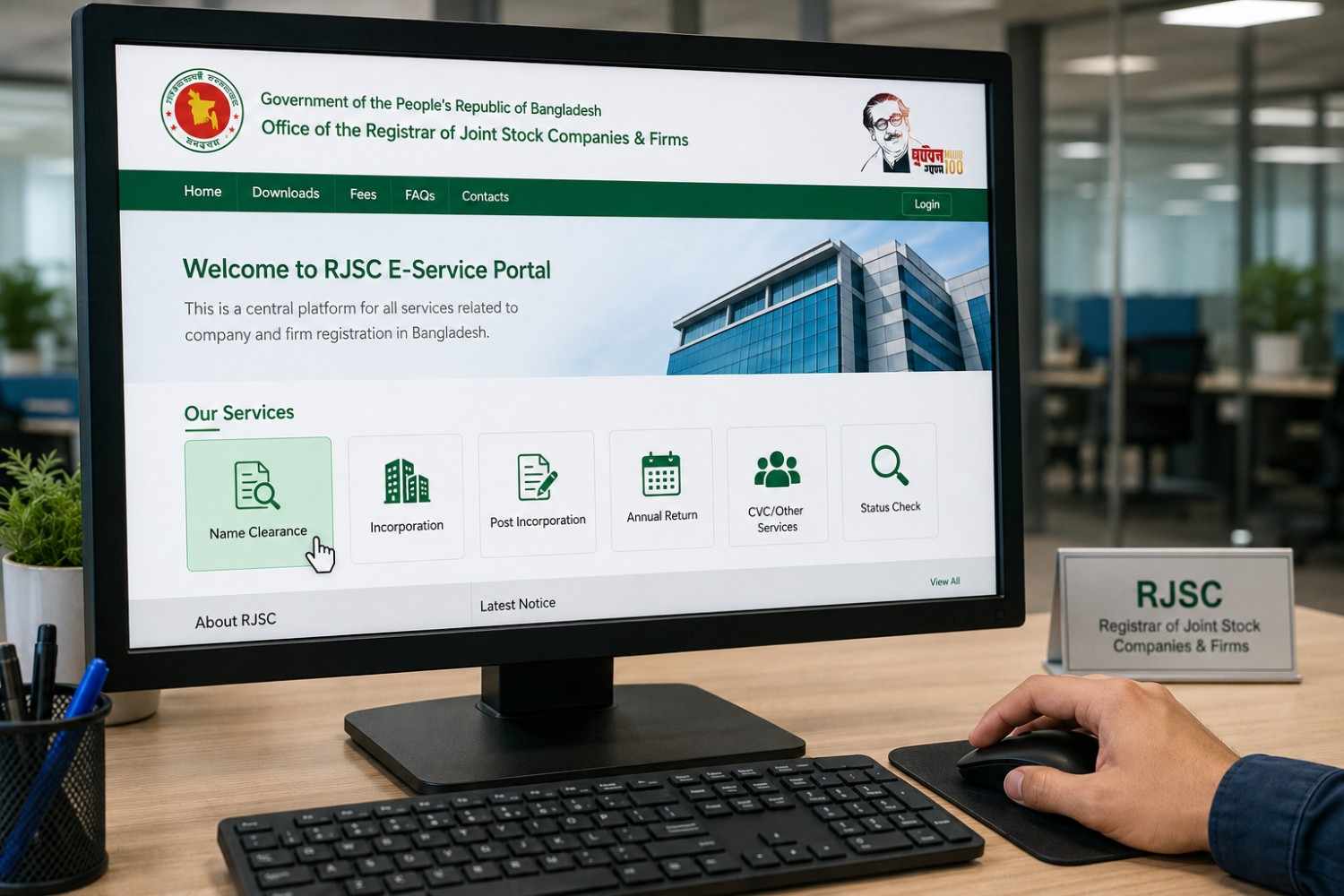
When applying, consider offering multiple name options to boost your approval chances. The RJSC assesses each request against regulatory guidelines to avoid internationally renowned trademarks. After approval, you’ll receive a Name Clearance Certificate valid for a certain period. You must use this document quickly to proceed with your RJSC Company Registration in Bangladesh. By adhering to these steps, you avoid unnecessary delays in your RJSC Company Registration process and keep your expansion plans on track.
Preparing Essential Legal Documentation
Accurate documentation is the foundation for a successful Foreign Company Registration in Bangladesh. When you prepare your files with precision, you significantly reduce the risk of administrative hurdles during the registration process. Taking the time to organize these records now will save you valuable resources later.
Drafting the Memorandum and Articles of Association
The Memorandum of Association (MoA) and Articles of Association (AoA) act as the constitution for your new entity. These documents define your company’s objectives, scope of business, and internal management rules. It is vital to ensure these drafts align perfectly with the specific regulations set by the Registrar of Joint Stock Companies and Firms (RJSC).
You should clearly outline the authorized share capital and the distribution of shares among stakeholders. Professional legal counsel is often recommended to tailor these documents to your specific operational needs. A well-drafted constitution prevents future disputes and ensures your business remains compliant with local corporate laws.
Compiling Parent Company Documents
If your Bangladeshi entity is a subsidiary, you must provide verified copies of your parent company’s legal records. This typically includes the Certificate of Incorporation, the Memorandum, and the Articles of Association from your home country. All foreign documents must be properly attested by the relevant authorities in your jurisdiction.
Additionally, you will need a formal Board Resolution from the parent company authorizing the investment in Bangladesh. If you are appointing a local representative, a notarized Power of Attorney is also required. Ensuring these documents are authenticated before submission is a non-negotiable step for international investors..
Managing Director and Shareholder Identification Requirements
Every director and shareholder must provide clear identification to satisfy local compliance standards. You are required to submit copies of valid passports for all foreign individuals involved in the venture. Clear, high-quality scans are essential to avoid rejection by the regulatory authorities.
In addition to passports, you may need to provide recent passport-sized photographs and proof of residential addresses. If a corporate entity acts as a shareholder, you must provide the board resolution and the authorized signatory’s identification. Maintaining organized records for every individual involved will streamline your application and help you secure approval faster.
Executing Board Resolutions and Power of Attorney
Creating a legal connection between your international headquarters and your Bangladeshi entity begins with two key documents. These documents are the cornerstone of your legal authorization in the country. Without them, your local representatives cannot legally act on behalf of your parent company during registration.

A Board Resolution is a formal statement by your company’s directors confirming the decision to enter Bangladesh. It must clearly state the authority given to your local agents. Precision is crucial here, as Bangladeshi authorities need specific language to validate your international corporate decisions.
The Power of Attorney is the practical tool that empowers your chosen representative to sign documents and handle filings. When drafting this, ensure it matches the mandate:
- Clear Scope: Clearly define the specific tasks your representative can perform, such as signing incorporation papers or opening bank accounts.
- Notarization: Ensure all documents are properly notarized in your home country to meet international legal standards.
- Consular Attestation: Depending on your jurisdiction, you may need to have these documents attested by the Bangladeshi embassy or consulate.
- Language Accuracy: If the original documents are not in English, provide certified translations to avoid administrative hurdles.
Proper execution of these documents prevents the need for costly and time-consuming revisions later in the process. By investing time in the drafting phase, you ensure a smooth and compliant entry into the Bangladeshi market. Taking these steps early shows your commitment to regulatory excellence and sets a professional tone for your future operations.
Opening Your Corporate Bank Account in Bangladesh
To manage your foreign investment capital, you must open a corporate bank account. This account is the main channel for your financial activities in the country. It shows a clear financial commitment to the local market.
Choosing the right bank is crucial for your business. Opt for banks with deep experience in foreign direct investment. They know the regulatory needs and can meet international standards.
After opening your account, you need to transfer your initial capital from abroad. This step is required to meet local incorporation rules. Once the funds are received, the bank will issue an encashment certificate. This certificate proves your investment.
The encashment certificate is essential for completing your registration. Without it, your registration cannot proceed. To apply for your bank account, have these documents ready:
- Certified copies of your Memorandum and Articles of Association.
- Board resolution authorizing the opening of the corporate account.
- Valid identification documents for all authorized signatories.
- Proof of address for the registered office in Bangladesh.
- Detailed information regarding the source of your investment funds.
Choosing a bank that understands international standards can save you time. They will help with the right documentation for your capital inflow. This ensures you comply with local financial rules from the start.
Transferring Foreign Investment Capital and Obtaining Encashment Certificates
Transferring your initial capital to Bangladesh is a key step for any foreign business. You must do this through authorized banking channels to meet the Bangladesh Bank’s strict rules. This method safeguards your investment and sets up a clear financial record for your new business.
After your funds reach the corporate account, you need to get an Encashment Certificate from your bank. This document proves your investment and is crucial for regulators. Your bank will need certain documents to handle these international transfers smoothly. Having these ready in advance can prevent delays in setting up your business:
- A formal letter of instruction detailing the purpose of the remittance.
- Proof of the source of funds from the parent company.
- A copy of the Board Resolution authorizing the capital transfer.
- The original copy of the RJSC incorporation certificate.
- Valid identification documents for the authorized signatories.
Keeping detailed records of these transactions is crucial for your long-term success. Proper documentation and recording of every transfer lay a strong financial foundation for your company. This approach ensures your capital is recognized by local authorities, keeping your business compliant with government regulations.
Submitting Your Application for Foreign Company Registration in Bangladesh
You are now ready to submit your application to the RJSC, marking the final stage of your Foreign Company Registration in Bangladesh journey. By adhering to the step-by-step Company Registration Bangladesh process, you ensure compliance with all regulatory standards for RJSC Foreign Company Registration in Bangladesh.
First, access the official online portal to upload your verified documents. Understanding how to register a foreign company in Bangladesh is crucial. This methodical approach to Company Registration in Bangladesh reduces the chance of delays, ensuring a smooth RJSC Company Registration in Bangladesh.
After uploading your documents, the RJSC will review your application. This is the final step in your Foreign Company Incorporation Bangladesh process. Upon approval, you receive your Certificate of Incorporation, officially recognizing your entity as legally registered in Bangladesh.
Securing Mandatory BIDA Approval for Non-Subsidiary Entities
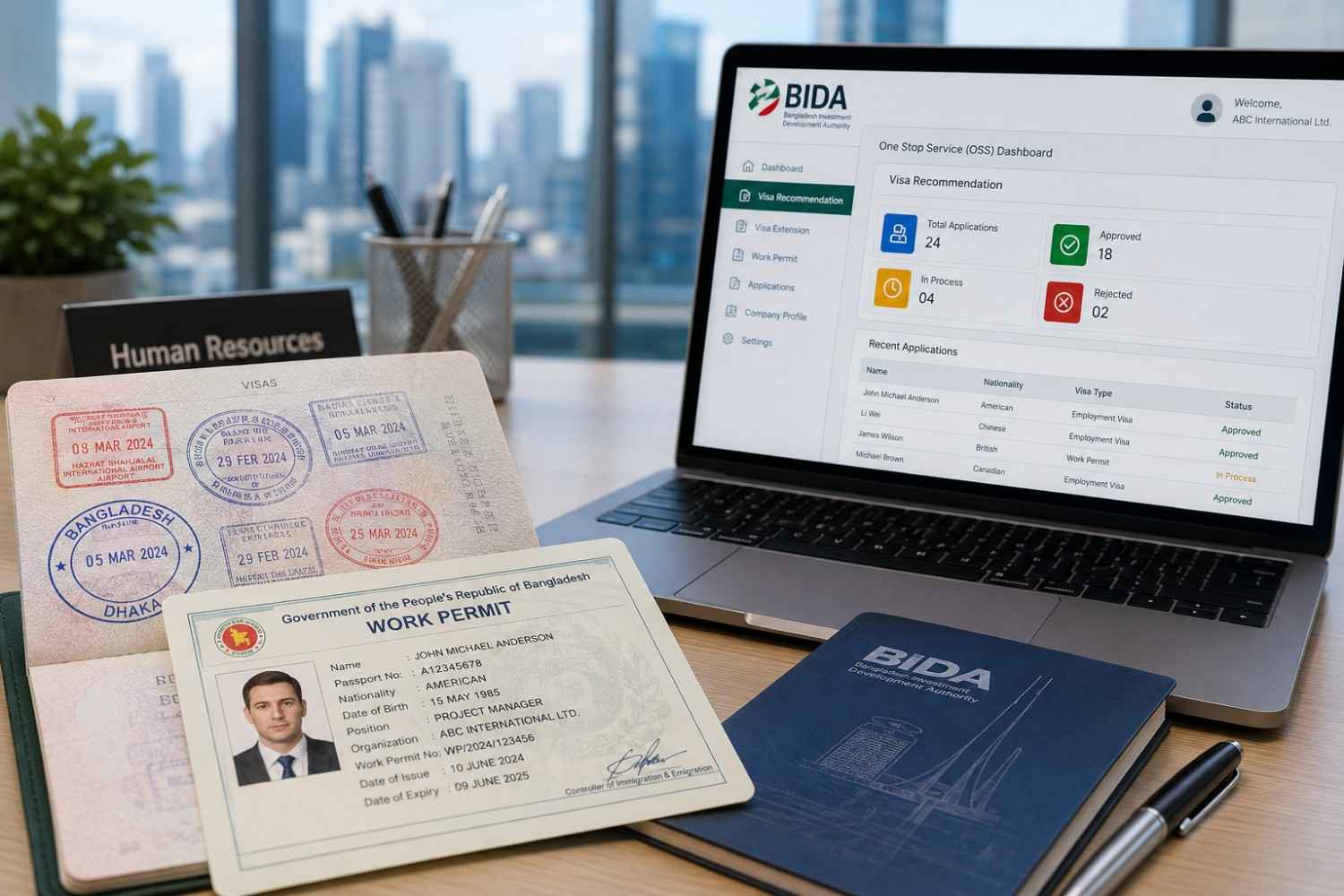
Setting up a branch or liaison office in Bangladesh requires formal approval from the Bangladesh Investment Development Authority (BIDA). This is mandatory for any foreign entity not operating as a local subsidiary. Without this clearance, your business cannot legally operate or hire foreign staff in the country.
The process for BIDA Registration in Bangladesh demands thorough preparation of your corporate documents. You must clearly outline the scope of your activities. This will determine the terms of your approval. Whether it’s Branch Office Registration in Bangladesh or Liaison Office Registration in Bangladesh, precision in your application is crucial to avoid delays.
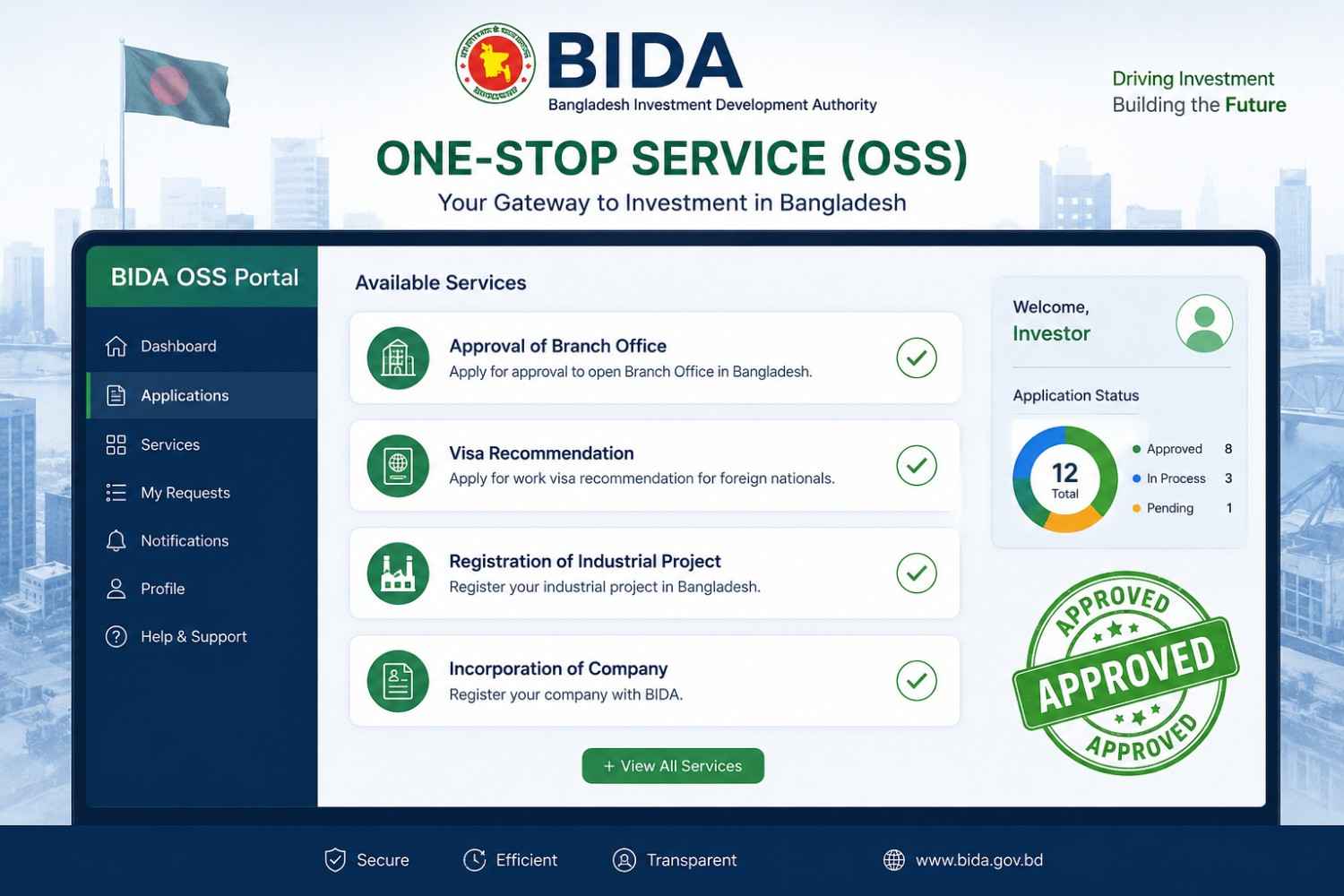

Understanding the specifics of Liaison Office Registration in Bangladesh is key for long-term compliance. You must show that your office will operate within the allowed guidelines. Liaison entities generally cannot engage in direct commercial activities.
After submitting your application, BIDA will assess your documentation against regulatory standards. Achieving BIDA Registration is essential for opening local bank accounts and obtaining work permits. Keeping this approval is an ongoing commitment. You must report any significant changes in your business structure or activities to the authorities without delay.
Completing Post-Registration Requirements
Your journey toward a fully functional business in Bangladesh enters a vital phase immediately following successful incorporation. The certificate from the Registrar of Joint Stock Companies and Firms (RJSC) is a major milestone. However, you must still fulfill several mandatory administrative obligations to operate legally. These steps ensure your company remains in good standing with local authorities and tax regulators.
Obtaining Your Tax Identification Number (TIN)
The first priority after incorporation is securing your Tax Identification Number. This unique identifier is essential for all your future tax filings and financial transactions within the country. You will need to submit your incorporation documents and board resolutions to the National Board of Revenue to initiate this process.
Registering for Business Identification Number (BIN)
Once you have your tax status confirmed, you must focus on your VAT Registration Certificate. Obtaining a Business Identification Number (BIN) is a critical requirement for any entity involved in the supply of goods or services. Completing your VAT Registration Certificate correctly allows you to manage your tax liabilities and input tax credits efficiently under local law.


Securing the Trade License and Local Permits
Every business must also obtain a valid Trade License from the local municipal authority where your office is located. This permit serves as your official authorization to conduct commercial activities within that specific jurisdiction. Depending on your industry, you may also need additional sector-specific clearances to ensure full compliance.
To keep your operations running smoothly, ensure you have the following items prepared for these local offices:
- Certified copies of your Memorandum and Articles of Association.
- Proof of office address, such as a rental agreement or utility bill.
- Valid identification documents for your authorized signatories.
- A formal application letter detailing your business scope.
By systematically addressing these requirements, you protect your company from potential penalties and ensure long-term operational stability. Staying proactive with these filings is the best way to maintain a healthy relationship with the Bangladeshi regulatory environment.
Managing Import Registration and Sector-Specific Licenses
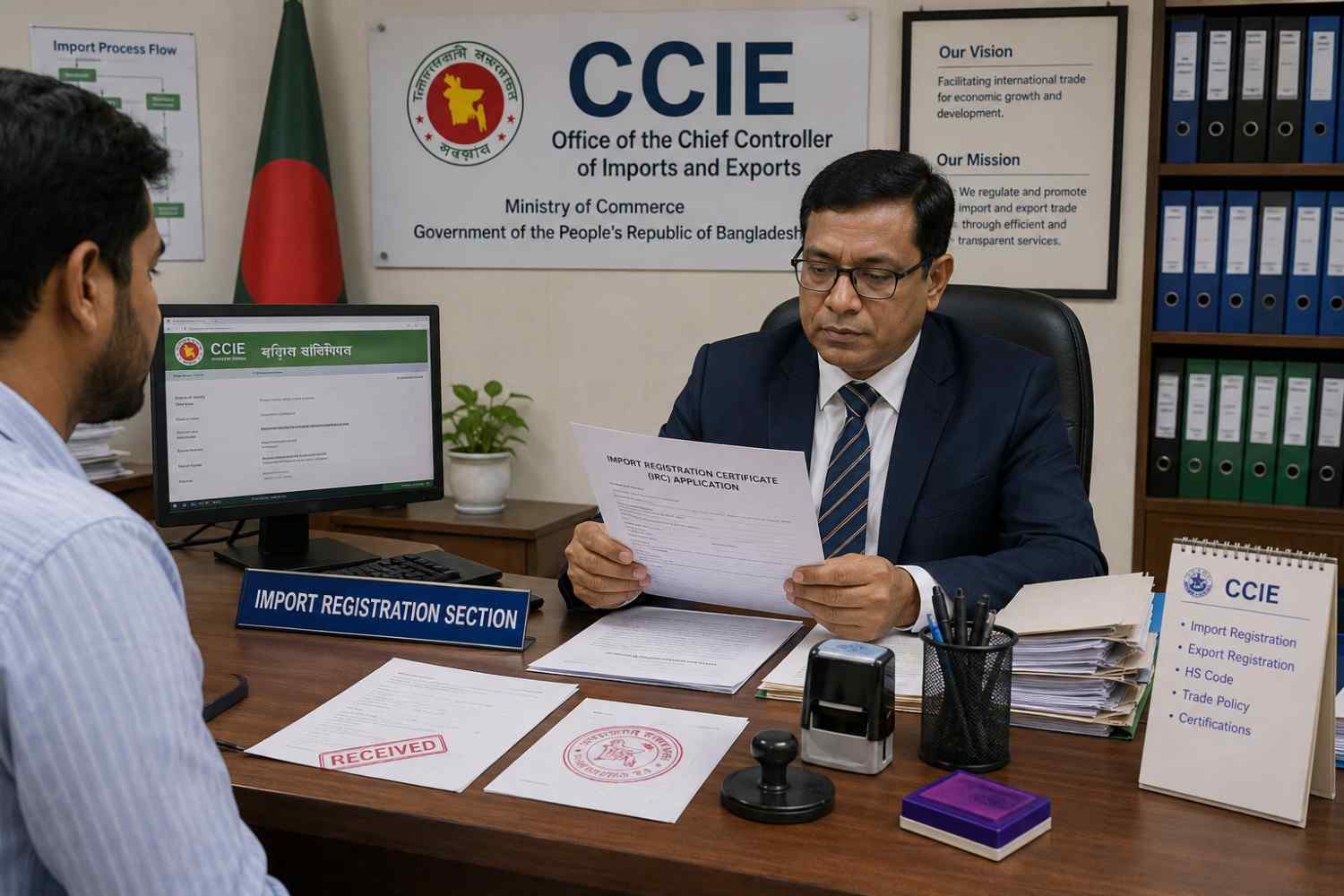
If your business model relies on importing raw materials, regulatory compliance is paramount. To legally import goods into Bangladesh, securing an Import Registration Certificate (IRC) is mandatory. This document is your key to conducting international trade within the country.
The application process requires direct coordination with the Office of the Chief Controller of Imports and Exports (CCIE). You must provide detailed documentation about your business and expected import volumes. Keeping your Import Registration Certificate (IRC) active is crucial for uninterrupted and compliant supply chain operations.
Aside from standard trade permits, certain industries may require additional clearances. Depending on your goods, you might need permits from various government bodies. Here are some common requirements for operational readiness:
- Valid Trade License issued by the local City Corporation or Municipality.
- Tax Identification Number (TIN) and proof of updated tax returns.
- Membership certificate from a relevant Chamber of Commerce or Trade Association.
- Specific sector clearances from regulatory bodies like the Bangladesh Standards and Testing Institution (BSTI) or the Department of Environment.
Securing these licenses early sets a stable foundation for your operations. Always ensure your documentation is up-to-date to avoid penalties or shipment seizures during clearance.
Establishing Operational Bank Accounts and Financial Compliance
Creating a solid financial base is urgent, focusing on operational bank accounts and regulatory adherence. After your legal entity is set up, you must switch from an initial investment account to a corporate one. This account is key for handling your daily business dealings in Bangladesh.


Finding the right banking partner is critical for your success. Look for banks that offer top-notch digital services and support for international trade. Maintaining strict financial compliance from the start is vital to keep your business in good standing with local authorities.
Implementing strict accounting systems early helps avoid future financial reporting and tax audit issues. Keeping accurate records is not just a legal must; it’s a strategic advantage for audit preparation.
Here are some best practices for operational efficiency:
- Reconcile your bank statements monthly to spot discrepancies early.
- Ensure all cross-border transactions are correctly coded for regulatory reports.
- Have a qualified local accountant manage your financial documents.
- Keep up with banking policy changes that might impact your corporate accounts.
Proactive management of your financial systems saves time and resources. Consistency in reporting builds trust with stakeholders and regulatory bodies. By focusing on these tasks now, you lay a solid foundation for your business to flourish in the competitive Bangladeshi market.
Maintaining Company’s Annual Return Filing at RJSC and Tax Submissions
Keeping your company in good standing requires a series of mandatory annual filings and tax obligations. After launching your business, you must watch the deadlines set by local authorities closely. Consistent compliance is key to maintaining a reputable corporate presence in Bangladesh.
Filing Annual Returns with the RJSC
The Registrar of Joint Stock Companies and Firms (RJSC) demands specific documentation from every registered entity annually. Timely RJSC Company Annual Return Filing in Bangladesh keeps your business active and avoids late fees or legal issues.
The Company Schedule X Submission in Bangladesh is a crucial part of this process. It updates the RJSC on your share capital, directors, and registered office address. Accurate records with the RJSC safeguard your company’s legal status and operational integrity.
Managing VAT Returns and Corporate Tax Obligations
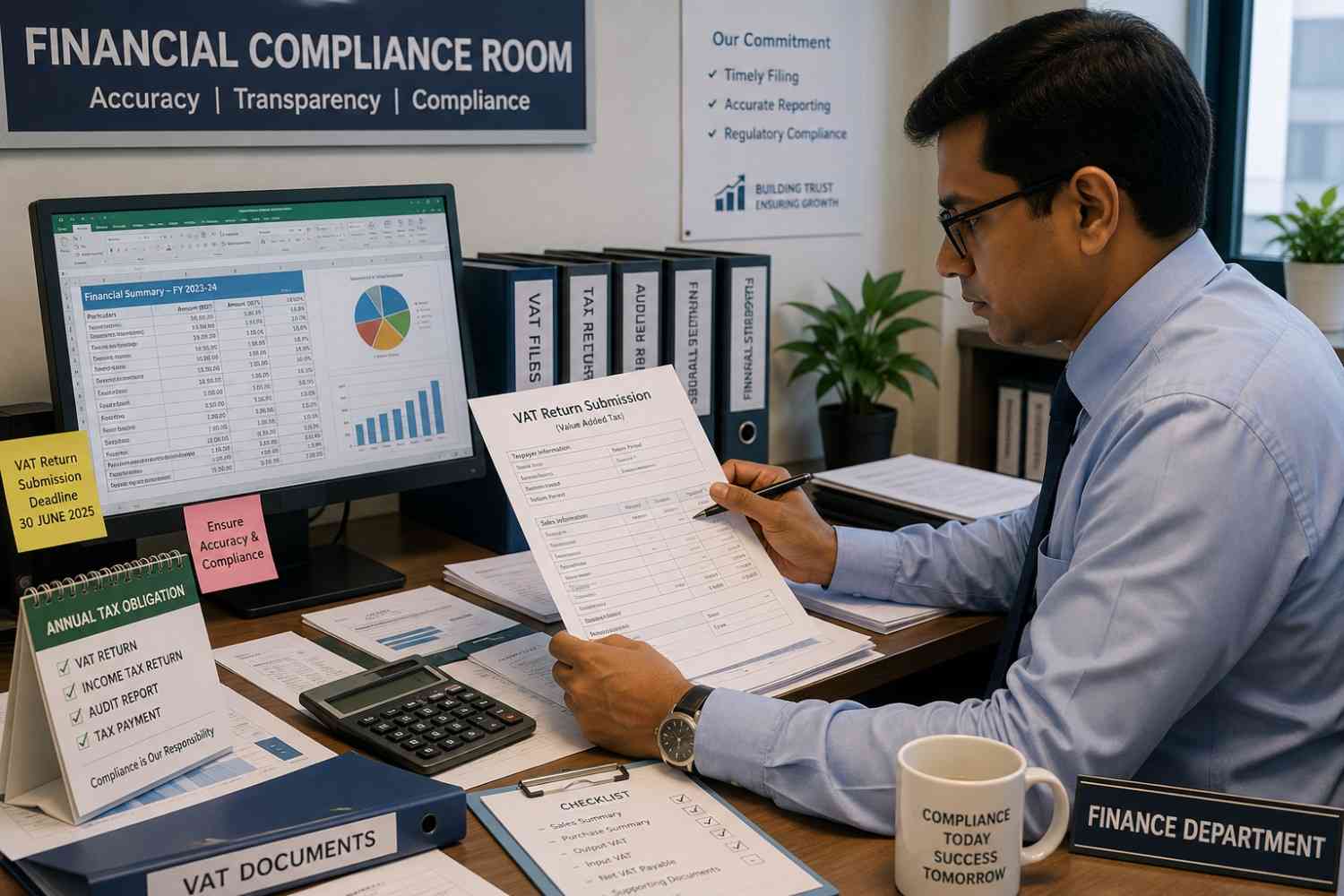
Meeting your fiscal duties to the National Board of Revenue is also essential. A professional approach to your Company Annual Tax Submission is vital for a clean financial record. Prepare your financial statements well in advance for accuracy during audits.
Moreover, regular VAT Return Submission is a must for most businesses in the country. Staying on top of these deadlines helps avoid penalties and builds a good relationship with tax regulators. Proactive financial management is crucial for long-term success in the competitive Bangladeshi market.
Handling Share Transfers and Allotments Post-Incorporation
Managing your company’s equity structure is crucial as your business grows in the Bangladeshi market. Whether it’s a Joint Venture Company Registration in Bangladesh or a wholly-owned subsidiary, your shareholding can change. It’s vital to document these changes correctly at the RJSC for legal compliance and transparency.
When shares need to be moved between stakeholders, a formal process for Foreign Company Share Transfer in Bangladesh must be followed. This involves legal filings to ensure the Company Share Transfer in Bangladesh is recognized. You’ll need to prepare transfer instruments and board resolutions for a Foreign Company Share Transfer at RJSC in Bangladesh. Proper documentation is key to a successful RJSC Company Share Transfer in Bangladesh, safeguarding your interests and those of your partners.


Issuing new shares to raise capital or attract new investors also requires careful planning. A Foreign Company Share Allotment in Bangladesh must adhere to the company’s authorized capital structure. Maintaining these records is not just a formality; it’s a strategic necessity for any Joint Venture Company Registration at RJSC in Bangladesh. An updated share register prevents disputes and simplifies audits. Always consult with legal professionals to ensure your share management practices meet the latest regulatory requirements in Bangladesh.
Video Guide: Foreign Company Registration in Bangladesh
Why Foreign Company Registration in Bangladesh Matters for Your Business
Establishing a lasting presence in Bangladesh demands vigilance towards evolving legal frameworks. It’s crucial to remain proactive in administrative tasks to maintain operational efficiency. This includes efficiently managing your expatriate workforce through timely e-visa extension in Bangladesh procedures.
Strategic growth necessitates keeping your records current with the RJSC at all times. Accurate documentation safeguards your interests and ensures compliance with local authorities. Regular audits of your filings are essential to avoid complications during inspections.
Market dynamics can shift, prompting the need for restructuring or exit strategies. If you choose to close operations, adhering to the formal process for Company Winding up in Bangladesh is mandatory. Following the Company Winding up RJSC guidelines ensures a smooth exit.
Seeking professional advice is vital in navigating the complexities of winding up a foreign company in Bangladesh. Proper planning ensures a transparent and legally compliant departure. Consult with local experts to discuss your business objectives or for assistance with regulatory filings today.
FAQ
How can I begin the process of Foreign Company Registration in Bangladesh?
To start, follow a step-by-step Company Registration Bangladesh protocol. First, obtain company name clearance from the Registrar of Joint Stock Companies and Firms (RJSC). After reserving your name, prepare legal documents and open a temporary bank account for capital inward remittance. Finally, submit your application for RJSC Company Registration in Bangladesh.
Can international investors hold 100% equity in a local business?
Yes, 100% foreign equity investment is acceptable in Bangladesh for most industrial sectors. Many investors also choose joint venture company registration in Bangladesh to leverage local expertise. Whether you choose full ownership or a joint venture investment, your entity must be officially recorded through RJSC Foreign Company Registration in Bangladesh.
What is the difference between a subsidiary and a Liaison Office Registration in Bangladesh?
A Private Limited Company (Subsidiary) is a separate legal entity allowed to generate local income. On the other hand, Liaison Office Registration in Bangladesh or Representative Office Registration in Bangladesh is for non-commercial activities like market research and coordination. If you intend to engage in sales or contracts, Branch Office Registration in Bangladesh or incorporating a subsidiary is required. Both branch and liaison offices must also obtain mandatory BIDA Registration in Bangladesh.
What documents are required for Foreign Company Registration at RJSC?
You must prepare the Memorandum and Articles of Association, provide copies of directors’ and shareholders’ passports, and submit parent company documents. Additionally, a Board Resolution and Power of Attorney are typically required to authorize local representatives. For Foreign Company Incorporation Bangladesh, these documents must often be notarized or attested by the relevant embassy.
Why is a bank encashment certificate necessary for Company Registration in Bangladesh?
To register a limited company in Bangladesh, foreign investors must transfer the paid-up capital into a local corporate bank account. The bank then issues an encashment certificate, which serves as legal proof to the RJSC that the foreign investment in Bangladesh has been physically received through proper banking channels. This certificate is a mandatory attachment for your RJSC Company Registration in Bangladesh.
What post-registration steps must I take to ensure full legal compliance?
After receiving your certificate of incorporation, you must obtain a Tax Identification Number (TIN) and complete VAT Registration Certificate to receive a Business Identification Number (BIN). You will also need a Trade License from the local city corporation. If your business involves trading, securing an Import Registration Certificate (IRC) is essential for your supply chain operations.
How do I manage an e-visa extension in Bangladesh for my foreign staff?
Once your BIDA Registration is complete, your company can recommend expatriate employees for work permits and visa processing. Maintaining active BIDA and RJSC status is critical for a smooth e-visa extension in Bangladesh, ensuring your international team remains compliant with local immigration laws.
What are the annual filing requirements for a foreign-owned company?
You are required to perform RJSC Company Annual Return Filing in Bangladesh, which includes the Company Schedule X Submission in Bangladesh. On the tax front, you must ensure timely Company Annual Tax Submission and regular VAT Return Submission to the National Board of Revenue. Failure to meet these deadlines can lead to penalties and affect your company’s standing.
How is a Foreign Company Share Transfer or Allotment handled?
Any change in ownership requires a Foreign Company Share Transfer at RJSC in Bangladesh. This involves executing a transfer deed and obtaining RJSC approval. Similarly, if you are increasing capital, you must complete a Foreign Company Share Allotment in Bangladesh. Both RJSC Company Share Transfer in Bangladesh and RJSC Share Allotment in Bangladesh must be documented accurately to reflect the current shareholding structure.
What is the procedure for Company Winding up in Bangladesh?
If you decide to close your operations, you must follow the formal process for Company Winding up in Bangladesh. This involves appointing a liquidator, settling all liabilities, and completing the Company Winding up at RJSC filings. A Foreign Company Winding up in Bangladesh requires careful coordination with tax authorities and the central bank to ensure all foreign investment exits are handled legally and transparently.
You May Also Like
-
Company Registration in Bangladesh: Easy Complete Guide
Embarking on a new venture is thrilling, yet it demands a strong base. A successful business setup in Bangladesh starts with picking the right legal form and completing the registration accurately. Quick Facts: Company Registration in Bangladesh Whether it’s a private limited company or a foreign-owned entity, the right documents are key to lasting success.…
-
Joint Venture Company Registration in Bangladesh: Complete Guide
Entering the South Asian market presents a significant opportunity for global investors. A strategic partnership allows you to merge resources and expertise. It also enables you to share operational risks effectively. Understanding Joint Venture Company Registration in Bangladesh is crucial for a smooth market entry. This guide simplifies the complex legal landscape and helps you…
-
Partnership Firm Registration in Bangladesh: Easy Steps (2026)
Starting a business with others is a wise choice for many entrepreneurs. It brings together shared resources and expertise, accelerating your venture’s growth. However, it’s crucial to handle the legal aspects correctly from the outset. Completing your partnership firm registration in Bangladesh grants your venture official status. This builds trust with clients and stakeholders. Grasping…
-
Company Share Transfer in Bangladesh: Easy RJSC Guide (2026)
Understanding the legal intricacies of corporate ownership changes is crucial. Whether it’s for restructuring or succession, knowing the mandatory steps is essential. This knowledge ensures your actions are in line with local laws. Quick Facts: Company Share Transfer in Bangladesh Every step must comply with the Companies Act and the Registrar of Joint Stock Companies…
-
RJSC Annual Return Filing in Bangladesh: Easy 2026 Guide
Running a business demands strict adherence to local corporate laws. If you manage a company, prioritizing RJSC Annual Return Filing in Bangladesh is crucial to maintain your legal status. This ensures your entity remains transparent and trustworthy to stakeholders. Schedule X submission in Bangladesh is a vital part of your yearly obligations. Keeping your director…
-
Branch Office Registration in Bangladesh: Easy Legal Guide
Bangladesh is one of South Asia’s fastest-growing economies — with strong GDP growth and a population exceeding 160 million, it offers substantial opportunity for foreign enterprises. Establishing a local office gives your company closer control over operations and faster access to customers and partners. This guide simplifies Branch Office Registration in Bangladesh: whether you’re evaluating…
-
Liaison Office Registration in Bangladesh
Expanding your business into new territories requires a clear strategy and a solid legal foundation. Bangladesh offers a wealth of untapped potential for international firms aiming to grow their global footprint. Establishing a local presence through liaison office registration in Bangladesh allows you to conduct vital market research and build lasting professional relationships. Navigating the…
-
Company Winding Up in Bangladesh: Complete Legal Guide (2026)
Closing a business entity requires careful navigation of local legal frameworks. Whether you manage a local firm or a foreign enterprise, you must follow the Companies Act of 1994 to ensure a smooth exit. This formal procedure protects your interests while satisfying regulatory obligations. You might wonder how to wind up a company in Bangladesh…
-
One Person Company Registration in Bangladesh: Easy Guide
One Person Company Registration in Bangladesh gives solo entrepreneurs a solid legal foundation to safeguard their assets. This modern business model allows an individual to enjoy corporate perks while retaining full operational control, making it ideal for entrepreneurs aiming to grow without the hurdles of traditional partnerships. Registering your startup with the Registrar of Joint…
-
Foundation Registration in Bangladesh: Easy Guide (2026)
Setting up a non-profit in Bangladesh requires clear planning and a practical understanding of local rules. You’ll face specific administrative steps to ensure your organization operates legally and transparently. Understanding these requirements is the first step to creating lasting social impact. This guide lays out a clear, step-by-step path for Foundation Registration in Bangladesh, covering…